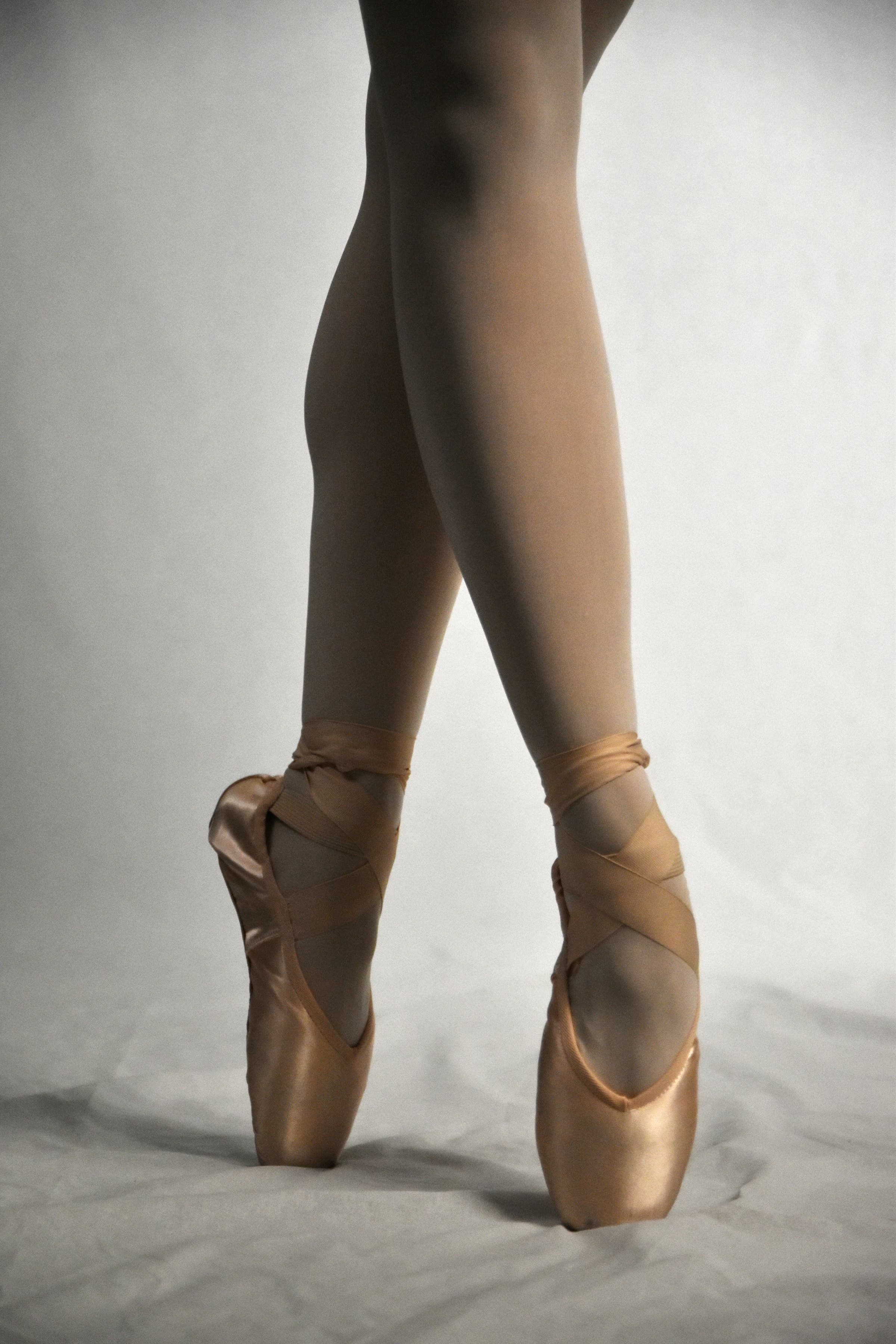
Dance & Ballet Injuries
Pointe readiness, forefoot loading and the specific demands of dance.
Dance loads the foot in ways almost no other activity does, and generic advice tends not to survive contact with a rehearsal schedule. Assessment has to account for pointe work, floor surfaces, the volume of a performance season, and what the teacher is asking for.
What we look at
Pointe readiness assessment
Objective assessment of ankle range, calf strength and trunk control before a dancer goes en pointe — and honest feedback where they aren't ready yet.
Forefoot and first-ray load
Metatarsalgia, sesamoid irritation and hallux problems specific to the demands of dance.
Season load management
Rehearsal and performance blocks concentrate load dramatically. Planning around the calendar prevents most of the predictable problems.
Footwear and padding
Pointe shoe fit, padding and taping strategies that reduce load without compromising line.
What to expect
Your appointment, stage by stage.
Assessment
History, physical examination, gait and movement analysis, and objective strength testing where it's relevant. We're building a picture of what the limb can currently tolerate.
Diagnosis
A clear explanation of what's happening and why — in plain language, with the reasoning shown. Imaging or onward referral where it will change the plan.
Treatment
A staged plan combining manual therapy, exercise prescription, footwear or orthotic support and activity modification, weighted to what your presentation actually needs.
Follow-up
Re-testing against the baseline so progress is measured, not assumed, and the plan adjusts as capacity improves.
Common questions
Dance & Ballet, answered.
When is a dancer ready for pointe?
It's about strength, control and maturity rather than age alone. Assessment gives you an objective answer and, where needed, a program to get there.
Is some pain just part of dance?
Discomfort and soreness, often. Pain that changes how you move, or that persists after class, is worth assessing rather than absorbing.
Will you tell my dancer to stop?
Very rarely the plan. Modifying load, footwear or technique load usually keeps them dancing.
This page is general information, not a diagnosis. If you're in pain, an assessment is the only way to know what's actually happening — book online or call 9284 0736.
Related
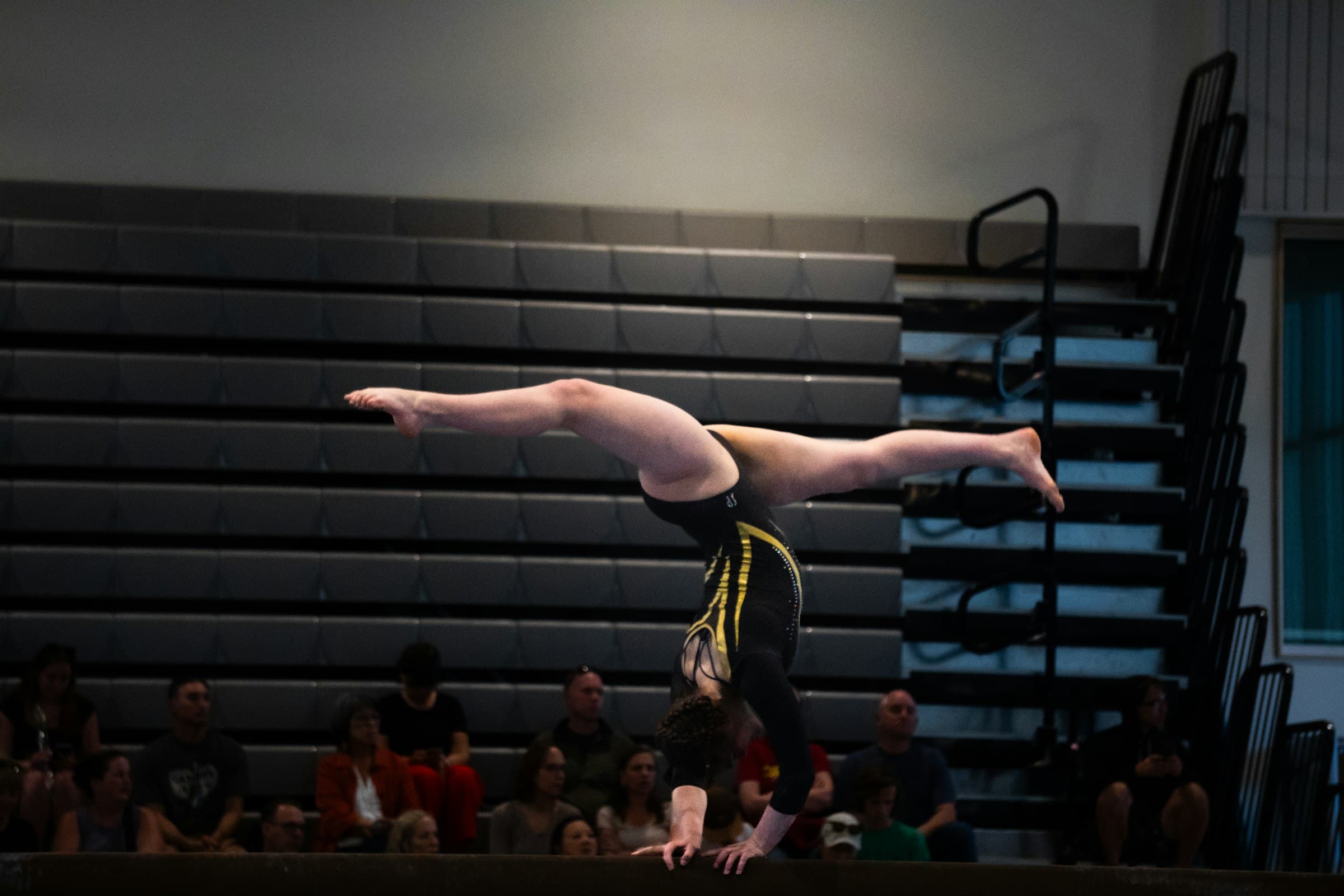
Hypermobility
Managing joints that move beyond typical range — common in gymnasts and dancers.
Sports Podiatry
Assessment, rehabilitation and return-to-sport planning for foot, ankle, knee and hip injuries.
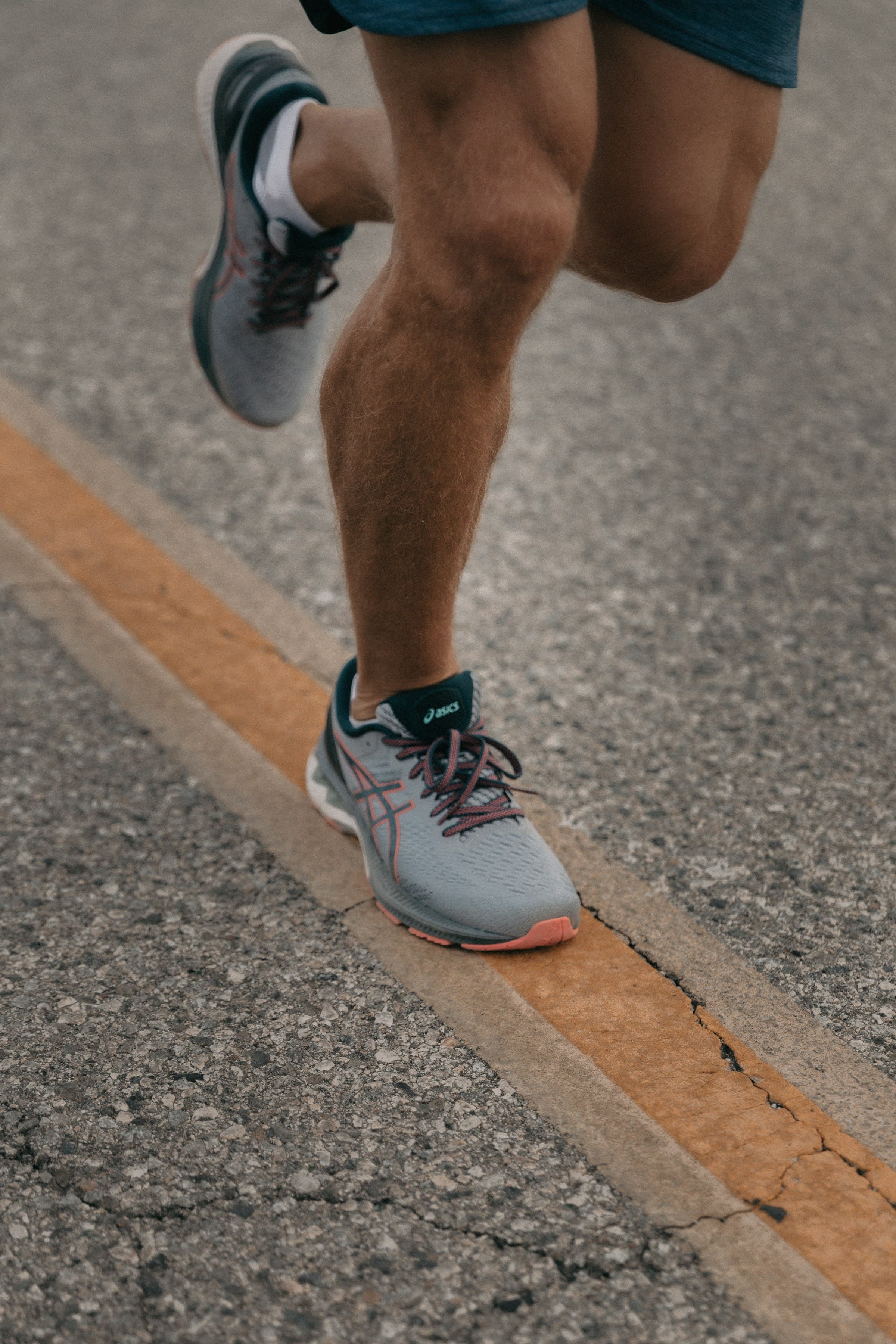
Orthotics & Footwear
Footwear assessment and orthotic prescription where they genuinely add something.