Heel Pain & Plantar Fasciitis
The most common presentation we see. Usually a load problem, and usually very treatable.
Plantar heel pain — often called plantar fasciitis — typically hurts most on the first few steps in the morning and after sitting. It is fundamentally a tissue tolerance problem: the plantar fascia is being asked for more than it can currently give. That's why loading it progressively works better than resting it indefinitely.
What we look at
What it feels like
Sharp or bruise-like pain under the heel, worst on first steps in the morning, easing with movement then returning after standing.
Why it happens
A change in load — new running volume, a new job on your feet, a footwear change, or weight change — outpacing what the tissue tolerates.
What treatment looks like
Load management first, then progressive strengthening of the calf and foot. Manual therapy, taping or a temporary orthosis for symptom relief while capacity builds.
How long it takes
Most cases improve substantially over weeks to a few months. The ones that drag on are usually the ones where loading never got progressed.
What to expect
Your appointment, stage by stage.
Assessment
History, physical examination, gait and movement analysis, and objective strength testing where it's relevant. We're building a picture of what the limb can currently tolerate.
Diagnosis
A clear explanation of what's happening and why — in plain language, with the reasoning shown. Imaging or onward referral where it will change the plan.
Treatment
A staged plan combining manual therapy, exercise prescription, footwear or orthotic support and activity modification, weighted to what your presentation actually needs.
Follow-up
Re-testing against the baseline so progress is measured, not assumed, and the plan adjusts as capacity improves.
Common questions
Heel Pain, answered.
Should I rest completely?
Rarely helpful. Complete rest reduces the tissue's tolerance further, so pain returns as soon as you resume. Modifying load usually beats removing it.
Do I need a cortisone injection?
Sometimes it has a place for severe pain that's blocking rehabilitation, but it treats the symptom rather than the cause. We'd generally exhaust loading first.
Are the stretches I found online enough?
Stretching can help symptoms but rarely resolves it alone — strengthening does the durable work.
This page is general information, not a diagnosis. If you're in pain, an assessment is the only way to know what's actually happening — book online or call 9284 0736.
Related
Sports Podiatry
Assessment, rehabilitation and return-to-sport planning for foot, ankle, knee and hip injuries.
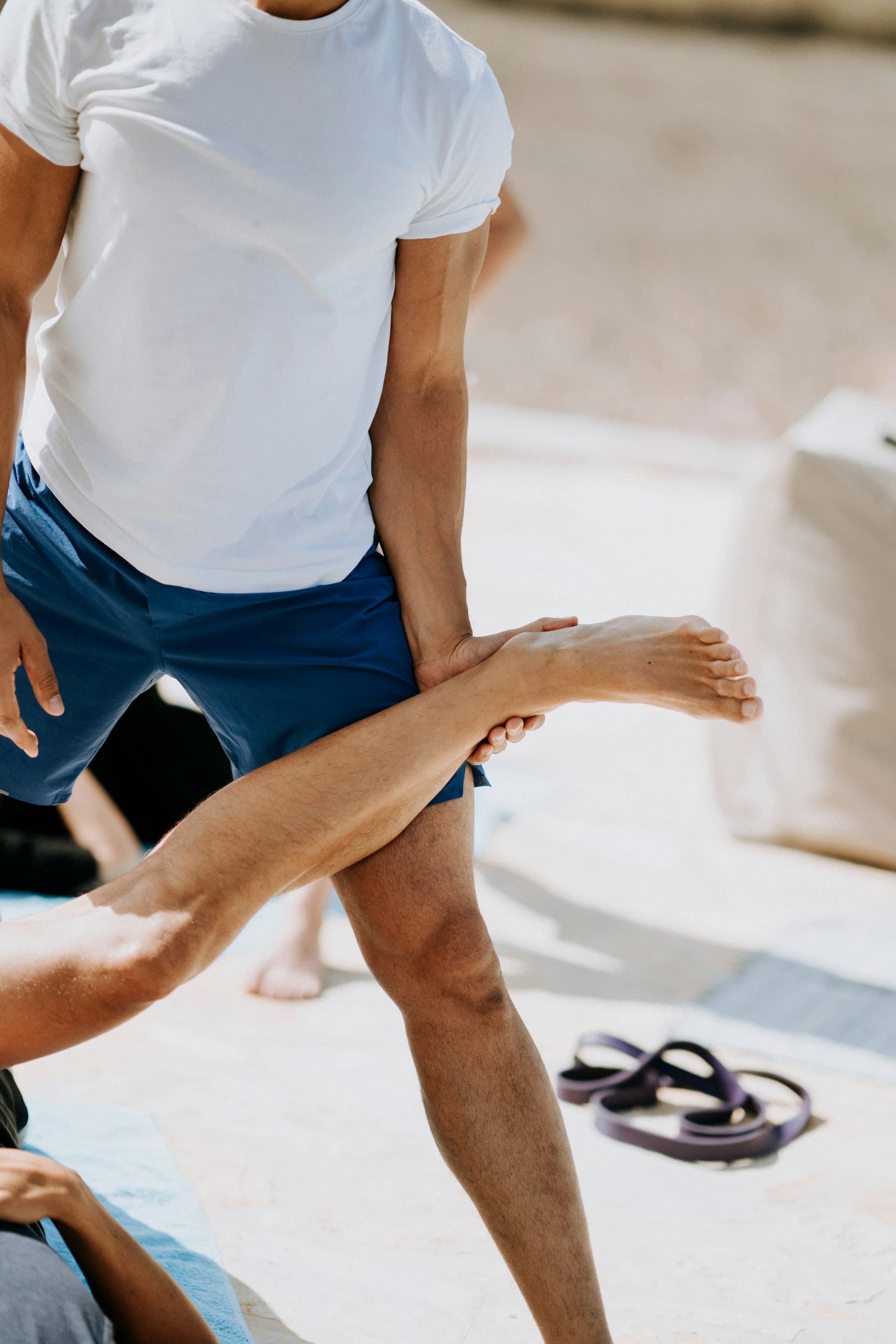
Rehab & Conditioning
Targeted exercise programs that build the capacity the injured limb is missing.
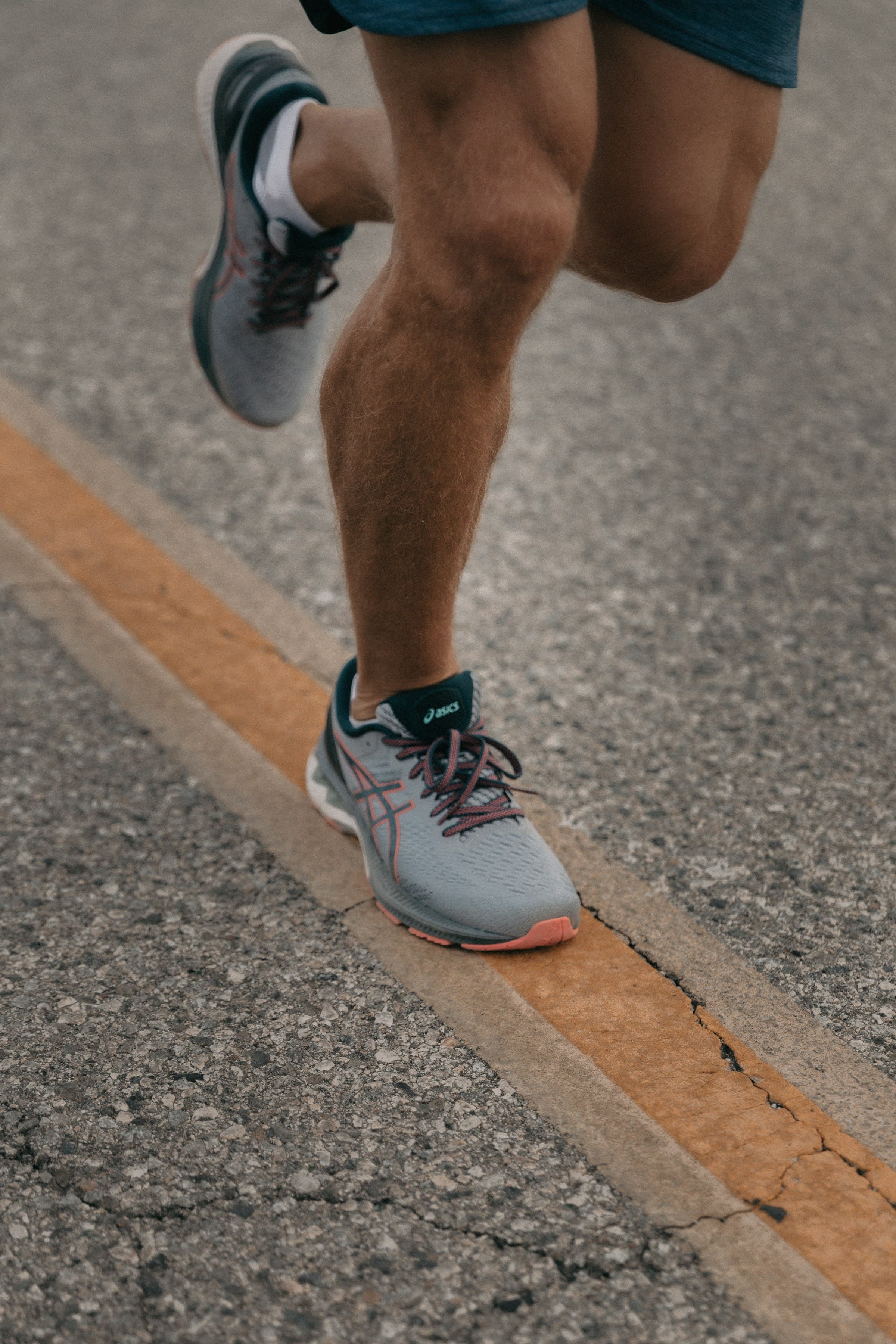
Orthotics & Footwear
Footwear assessment and orthotic prescription where they genuinely add something.