Manual Therapy
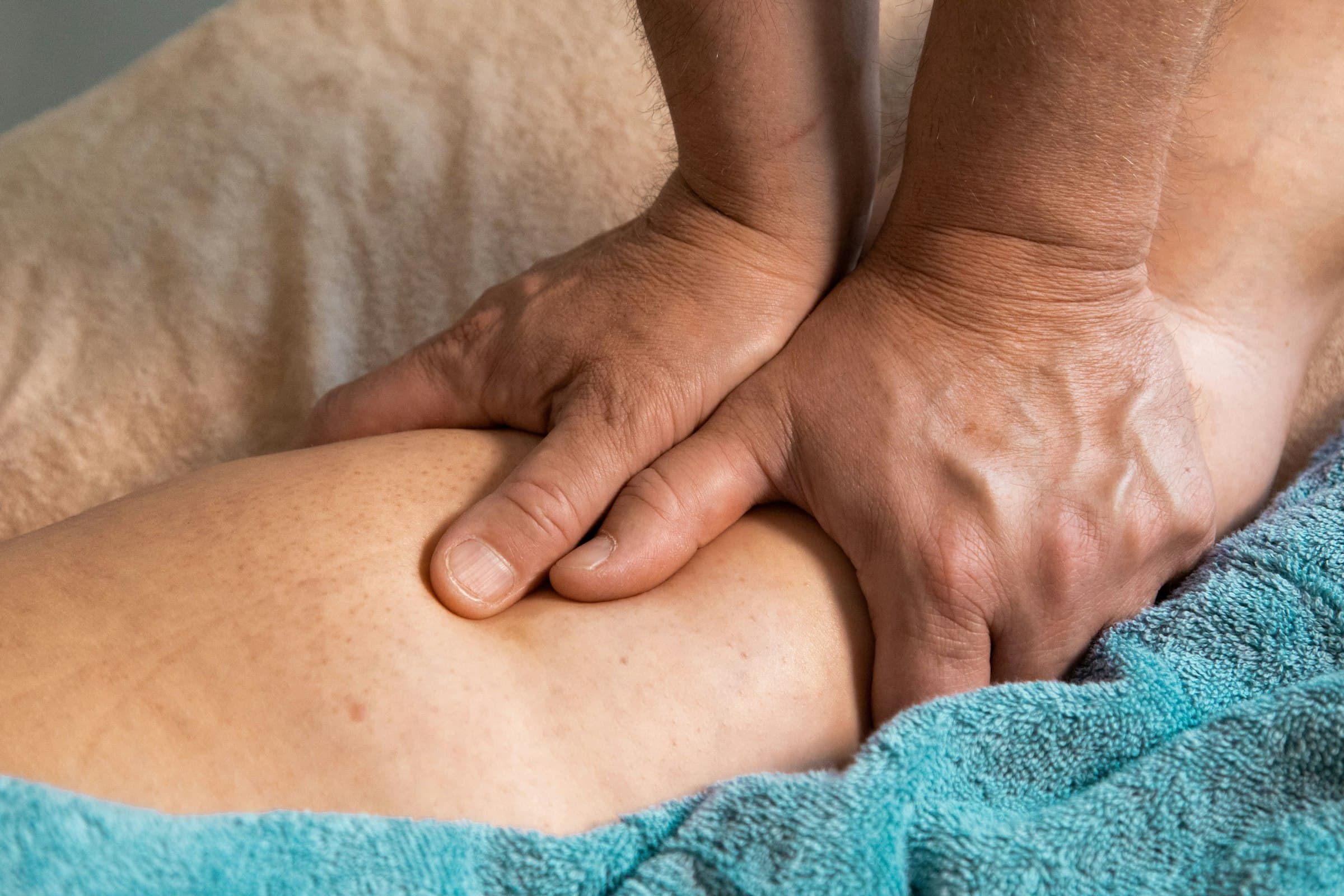
Soft tissue release, joint mobilisation and dry needling to reduce symptoms and restore range.
Manual therapy is used here as a way in, not the whole treatment. Reducing pain and restoring range makes loading possible, and loading is what produces the lasting change. Used that way it's genuinely valuable; used alone it tends to buy relief that doesn't hold.
What's involved
Soft tissue release
Targeted work through calf, plantar fascia, peroneals and the anterior compartment where restriction is limiting movement.
Joint mobilisation
Restoring ankle dorsiflexion and midfoot and first-ray mobility where stiffness is driving compensation further up the chain.
Dry needling
Used selectively for myofascial pain that isn't responding to load management and soft tissue work alone.
Strapping and taping
Short-term offloading to get you through a competition or a training block while the underlying plan progresses.
What to expect
Your appointment, stage by stage.
Assessment
History, physical examination, gait and movement analysis, and objective strength testing where it's relevant. We're building a picture of what the limb can currently tolerate.
Diagnosis
A clear explanation of what's happening and why — in plain language, with the reasoning shown. Imaging or onward referral where it will change the plan.
Treatment
A staged plan combining manual therapy, exercise prescription, footwear or orthotic support and activity modification, weighted to what your presentation actually needs.
Follow-up
Re-testing against the baseline so progress is measured, not assumed, and the plan adjusts as capacity improves.
Common questions
Manual Therapy, answered.
Does dry needling hurt?
Most people describe a dull ache or a brief twitch rather than sharp pain. It's always optional and we'll talk it through before using it.
Will manual therapy alone fix my problem?
Usually not on its own. It's very effective at reducing symptoms and improving range, which is what makes the loading work possible — but the loading is what makes the result durable.
How many sessions will I need?
Fewer than a course-of-treatment model would suggest. If manual therapy is being used well, its role reduces as your capacity improves.
This page is general information, not a diagnosis. If you're in pain, an assessment is the only way to know what's actually happening — book online or call 9284 0736.